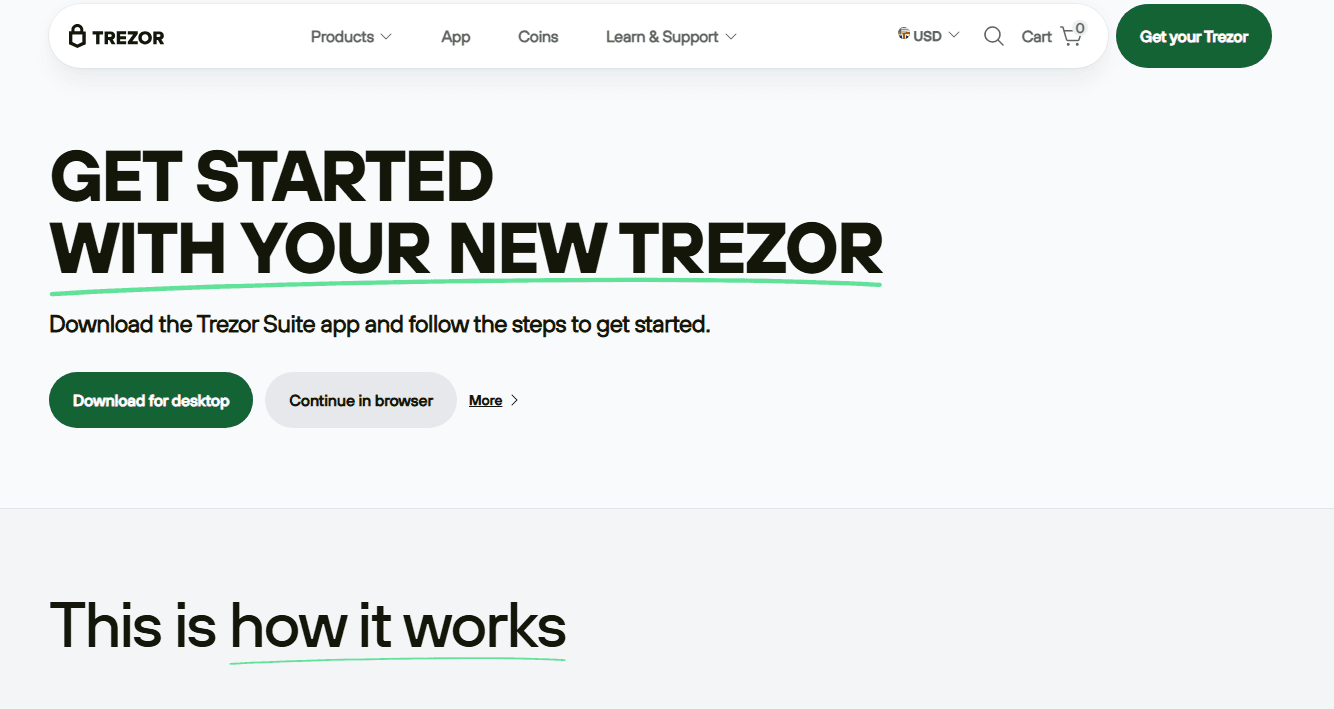
Trezor.io/Start – A Comprehensive 1200-Word Overview
Learning how digital wallets work can be confusing, especially when they involve advanced security tools like hardware devices. A page like “trezor.io/start” generally exists to guide new users through understanding what a Trezor device is, why it’s used, and how to set it up safely. Even without providing step-by-step financial actions, it’s possible to explain the concepts in a clear, beginner-friendly, and helpful way. This overview walks through the purpose of the Trezor start page, how a hardware wallet fits into the world of digital security, and the basic ideas behind using a Trezor device responsibly.
What Trezor Is and Why People Use It
Trezor is a type of hardware wallet designed to keep digital assets more secure by storing important information—like private keys—on a physical device instead of on an online account or software app. In simple terms, it’s a secure tool that acts as a protective vault for digital property.
The main idea behind a hardware wallet is to create a barrier between online activity and the sensitive codes that prove ownership of digital assets. When information stays offline, it’s less exposed to malware, phishing attempts, and other threats that exist on phones or computers connected to the internet. A device like Trezor gives the user control over this critical information so that it isn’t handled by companies, cloud storage, or third-party systems.
The “start” portal for Trezor is typically the place where new users learn how to begin using the device. Since the security of a hardware wallet depends heavily on correct setup and awareness, the start page is structured to explain everything clearly—from what the device does, to how its software works, to how to store recovery information safely.
Understanding the Purpose of the Start Page
A new user unboxing a Trezor might feel overwhelmed, especially if they’re not familiar with digital wallets or security tools. The start page exists to simplify that process. Its purpose is to serve as a guidebook that explains concepts step by step, introduces the software used to interact with the device, and highlights the most important safety principles.
Even though the page typically includes setup tools, the broader purpose is educational. It helps users understand:
What a hardware wallet does
How digital asset security works in general
Why recovery information is important
How to maintain long-term safety of the device
Because a Trezor is more like a personal security tool than a typical gadget, new users benefit from having all essential information gathered in one place before they begin using it.
What Happens When a User Goes Through the Start Process
When someone begins using their device through the start page, the main goal is to prepare the Trezor for safe use. This involves learning about the display, the buttons, the software needed to interact with the device, and the way recovery information is created.
The start page typically guides a user through:
Connecting the Device
This is usually the first moment when the Trezor interacts with a computer. The point of this step is not to perform financial transactions but to make sure the device is recognized and ready. The display on the Trezor itself plays a key role—it confirms requests and ensures the user remains in control of the actions taken.
Installing the Companion Software
A hardware wallet does not function alone. There is software that provides a dashboard for managing what’s stored on the device. The start page explains how this software works, what kinds of information it can show, and how it interacts with the Trezor safely.
Creating a Recovery Method
This is the most important part of understanding a Trezor. A recovery phrase is a group of words generated by the device itself. These words act as the master key that can restore access to the wallet if the device is lost or damaged. The start page emphasizes why this phrase must be stored offline, kept private, and never shared with anyone.
A key difference between a hardware wallet and online accounts is that there is no company that can reset passwords or restore access if the recovery phrase is lost. That’s why learning about it during the start process is essential.
Learning About Security Principles
The start page is not just a tutorial—it’s also a safety guide. It teaches users how to avoid common threats such as fake websites, unsafe storage habits, and attempts by others to trick them into revealing sensitive information. These lessons are important for anyone exploring digital security.
The Role of Trezor Software in Keeping the Device Safe
The software associated with a Trezor is designed to serve as a bridge between the device and the user’s digital life, but it does not store important security information itself. Instead, it provides a simple interface for managing digital assets while keeping private keys locked inside the Trezor hardware.
The start page usually explains how this software:
Displays balances and transaction details safely
Requires user confirmation directly on the device
Never exposes private keys to the computer
Works even if the computer has vulnerabilities
This structure gives users confidence that the hardware wallet is functioning as a secure barrier, even when connected to less trustworthy environments.
Why Recovery Information Is the Heart of the Device
One of the biggest lessons from the Trezor start page is that the recovery phrase is more important than the device itself. The device is replaceable, but the recovery phrase is not. Losing it means losing the ability to regain access if something happens to the device.
The start page teaches users to:
Write the phrase clearly
Store it somewhere offline
Never take digital photos of it
Avoid saving it in cloud storage
Keep multiple copies in safe locations if possible
These teachings are not just technical—they reflect a mindset of responsibility. Understanding this early helps users avoid future mistakes and treat the device with the seriousness it requires.
Safety Habits the Start Page Encourages
Although different people use hardware wallets for different reasons, the core safety habits remain the same. The start page encourages long-term practices such as:
Keeping the device in a secure place
Checking the device display whenever approving anything
Being cautious of unsolicited messages or websites
Avoiding sharing sensitive information with anyone
Regularly reviewing security tips
These habits apply broadly, even outside digital asset management. They help users develop responsible behavior around online safety and personal data protection.
Understanding the Trezor as a Personal Security Tool
A hardware wallet is not simply a gadget that holds information—it’s a personal safety device. Much like a safe or a protected vault, it exists to separate valuable assets from everyday digital risks. The start page helps users see the device in this way so they treat it with appropriate care.
By understanding concepts like offline storage, device confirmation, and recovery phrases, users become better equipped to navigate digital environments with confidence. The principles explained during the start process form the foundation of secure digital asset management.
Final Thoughts
The purpose of a “trezor.io/start”-style page is more than setup; it’s about education. It guides users through understanding a hardware wallet, protecting recovery information, managing digital assets safely, and building long-term security habits.
Whether someone is completely new to digital security or already familiar with the basics, the start page serves as a reliable, beginner-friendly introduction to using a hardware wallet in a safe, responsible, and informed way.