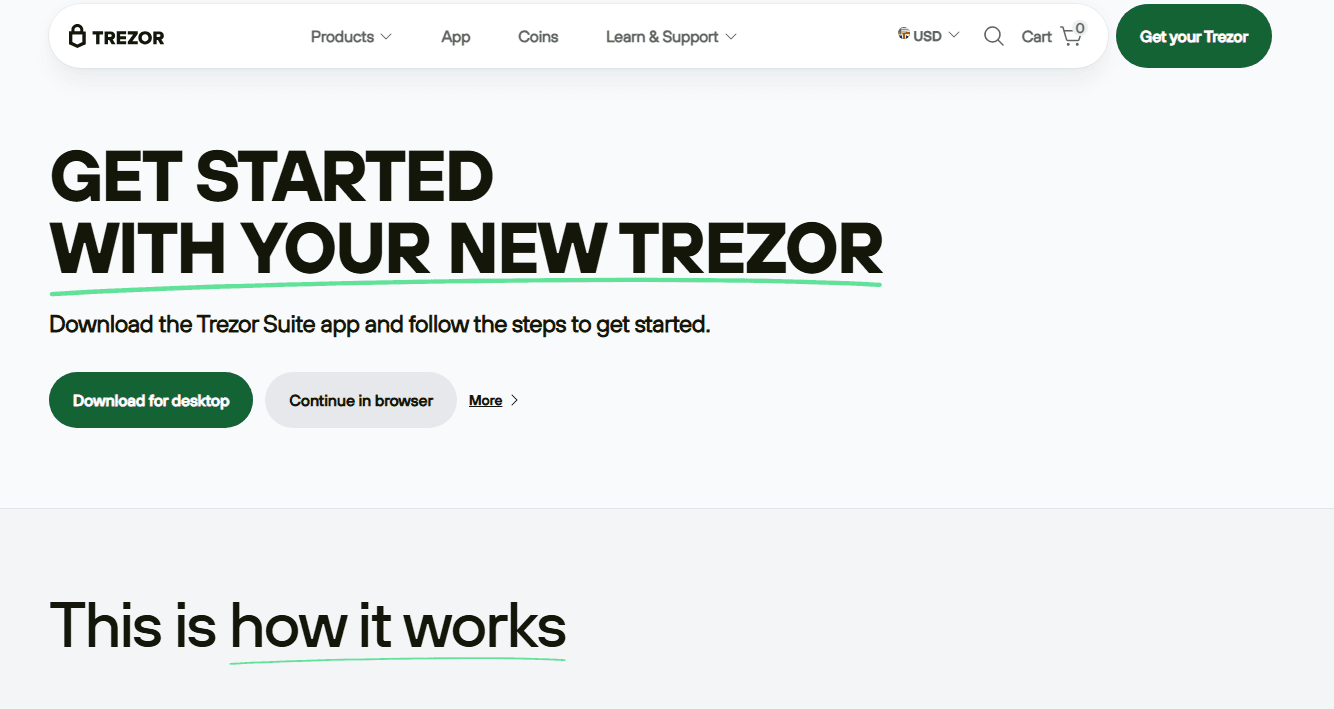
Trezor.io/Start – A Fresh 1200-Word Overview
When someone begins exploring the world of digital assets, one of the most important topics they encounter is security. Because digital assets exist entirely online, keeping them safe requires tools that can protect private information from common online threats. A hardware wallet such as Trezor is one of these tools, and the purpose of a page like “Trezor.io/Start” is to help new users understand how their device works, how it protects important information, and what steps are involved when learning to use it properly.
This overview explains the concepts, safety principles, and experience a person might have when learning through the Trezor start portal. It does not give instructions for performing transactions, but focuses on education, awareness, and responsible use of security tools.
What Makes a Hardware Wallet Different
Before understanding the start process, it helps to know what separates a hardware wallet from regular apps or online platforms. Most digital activities happen on phones and computers that are always connected to the internet. Because they are online, they can be exposed to viruses, scams, and attempts by others to access private information.
A hardware wallet takes a different approach. Instead of storing sensitive information on an online device, it keeps it locked inside a small physical unit. This helps isolate private keys—the codes that prove ownership of digital assets—from anything that happens on the web. Even if the computer becomes infected with harmful software, the private keys inside a Trezor device remain out of reach.
This separation between online activity and sensitive data is the foundation of the hardware wallet concept. The start page exists to help new users understand this model and learn how to interact with their device safely.
Why a Guided Start Page Is Important
A hardware wallet may look simple from the outside—usually just a small device with a screen—but the concepts behind it are sophisticated. The start page serves as a step-by-step introduction that explains what new users should know before they begin managing their digital assets.
The goal of the start portal is not only to help with device setup, but also to prepare the user with the knowledge needed to avoid mistakes. Since digital assets rely on personal responsibility, having a clear and complete guide ensures that users understand:
How the device stores information
Why recovery data must be protected
How the companion software interacts with the hardware
What actions require device approval
Which safety habits matter most
The start page functions as a central place where all of these concepts come together in a structured and beginner-friendly way.
Connecting the Device for the First Time
The first part of the Trezor start experience typically involves connecting the device to a computer. When the device powers on, its screen becomes the user’s trusted point of communication. Anything important must be confirmed through the device’s display, not the computer’s screen. This helps prevent accidental approvals or responses to fake messages.
During this initial interaction, users begin learning the core principle of hardware wallets: the computer may display information, but the final approval always happens on the Trezor device itself. This ensures that only the user holding the physical device can authorize important actions.
Understanding the Companion Software
Although the hardware wallet secures private keys, users still need a way to view information, manage assets, and organize their digital activity. That is where the companion software comes in. The start page usually introduces this software as a dashboard for interacting with the device.
The software creates a user-friendly environment while allowing the Trezor to remain in full control of any sensitive information. It might display balances, track activity, or provide access to tools within the Trezor ecosystem. However, the software never stores private keys or has access to them. All sensitive operations take place inside the hardware device.
The start page explains these boundaries clearly, so users understand how the two systems—the hardware and the software—work together without compromising security.
Creating and Understanding the Recovery Phrase
A key moment in the learning process is the creation of the recovery phrase. This phrase is a series of randomly generated words that act as the backup key to the user’s digital wallet. If the device is damaged, lost, or replaced, the recovery phrase allows the user to restore access.
The start page usually gives detailed explanations about recovery phrases because they are extremely important. Losing the device is not a problem if the recovery phrase is stored safely. But losing both access to the device and the recovery phrase means the information is unrecoverable.
The start page emphasizes several principles:
Write the phrase down clearly using pen and paper
Never store it digitally, especially not in cloud services
Keep it private—no one should ever ask for it
Store multiple copies securely if needed
These concepts help users understand that a hardware wallet is built around personal responsibility. The recovery phrase is the lifeline of the digital wallet, and its safety depends entirely on the user’s habits.
Learning to Approve Actions Safely
Because digital asset management often requires approving transfers or changes, the start portal educates users about how approvals work on the Trezor. The most important rule is that the user should confirm all actions directly on the hardware wallet.
This ensures that:
Only the owner holding the device can authorize actions
The user can verify details on the secure screen
Malicious software cannot approve anything automatically
Any mismatched details can be noticed immediately
The start page often teaches users to develop the habit of reading the hardware screen carefully. This mindful approach helps protect against phishing attempts or misleading online messages.
Building Long-Term Safety Habits
Another major focus of the Trezor start page is long-term security education. Using a hardware wallet safely involves more than just connecting it once. It requires consistent habits and an understanding of common threats.
Some long-term habits the start page promotes include:
Keeping the device in a safe physical location
Avoiding sharing personal information with strangers
Staying aware of fake websites or messages
Regularly reviewing security reminders
Staying patient and cautious when managing assets
These habits help users reduce risk and gain confidence when using digital security tools.
Why the Hardware Wallet Approach Matters
The Trezor start process highlights one major idea: control. A hardware wallet gives users control over their private keys and, by extension, their digital assets. This stands in contrast to systems where companies or online services keep user information. While those options may feel convenient, they place trust in third parties rather than personal responsibility.
By using a hardware wallet, the user becomes the sole guardian of their recovery phrase and private information. The start page teaches users to appreciate this independence and understand the importance of protecting that responsibility.
Conclusion
The “Trezor.io/Start” experience is designed to be a helpful, educational introduction to one of the most secure tools in the digital asset world. Instead of simply offering instructions, it provides a deeper understanding of how hardware wallets function, why recovery phrases matter, and what safety habits are necessary for long-term protection.
Through its explanations and step-by-step guidance, the start page empowers users to handle their device with confidence and awareness. For anyone beginning their journey with digital security tools, it stands as a clear and reliable foundation.