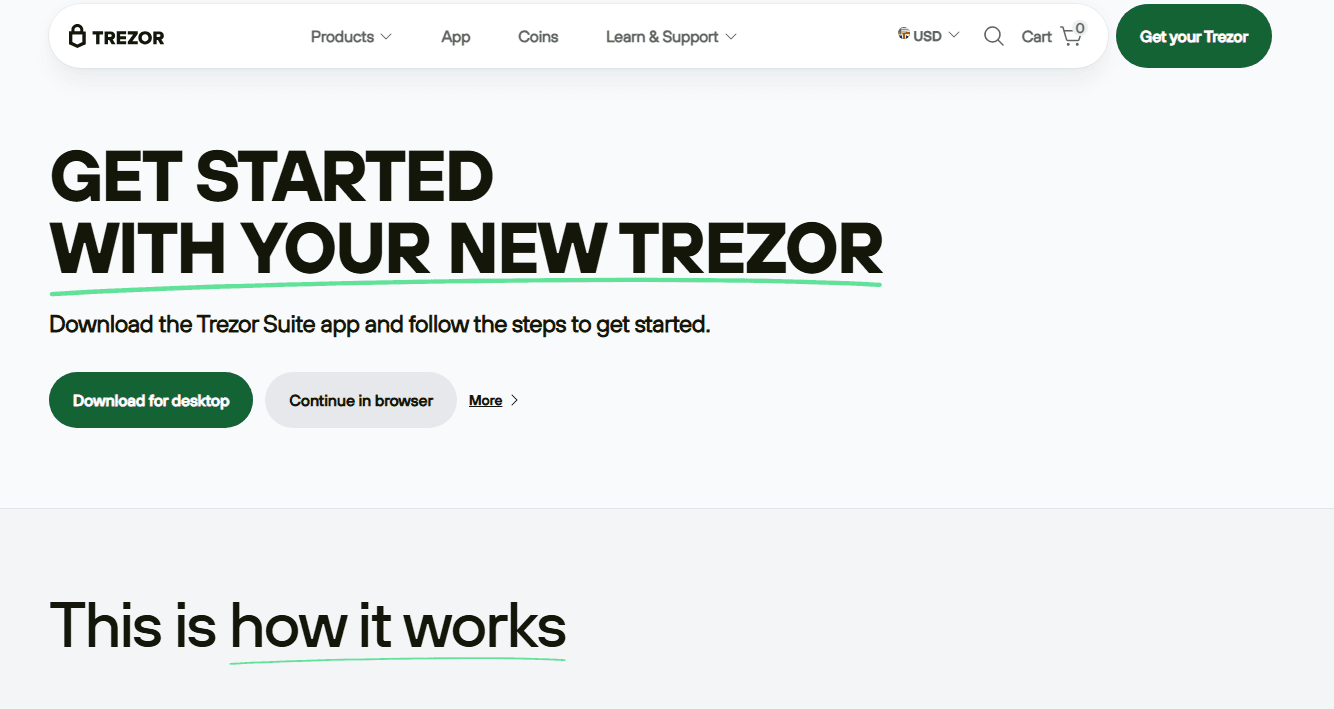
Trezor.io/Start – Complete 1200-Word Fresh Content
When learning about digital assets, one of the first lessons people discover is that security matters more than convenience. Because digital assets exist on decentralized networks, ownership is proven through cryptographic keys rather than physical items. The greatest responsibility for anyone entering this space is keeping those keys safe. A hardware wallet like Trezor is designed for exactly that purpose. The page commonly known as “Trezor.io/Start” exists to help new users understand their device, its security model, and the best practices needed to protect their information.
This guide provides a full, rewritten explanation of what someone can expect when exploring the Trezor start process. It does not include instructions for transactions but focuses entirely on education, awareness, and safe use of a hardware wallet.
A Simple Introduction to Hardware Wallets
To understand the importance of Trezor’s start experience, it helps to begin with the basics. In most digital activities, people rely on phones or computers, which are connected to the internet at all times. Although these devices are useful, they can be exposed to harmful software, fake websites, and attempts by strangers to access private information.
A hardware wallet works differently. It stores private keys inside a small device that remains isolated from the internet. Only the person physically holding the device can approve sensitive actions. This extra layer of separation adds protection that regular software alone cannot offer.
The Trezor start page introduces this concept clearly so beginners can understand why hardware wallets are trusted in the digital asset world.
Why the Start Process Matters
Even though Trezor devices are designed to be user-friendly, the underlying security principles are important to understand. The start page acts as a step-by-step introduction that teaches people the right way to begin using their device.
The start experience guides users in understanding:
What data the device stores
How it keeps information offline
What role the companion software plays
Why physical confirmation matters
How to form safe habits for long-term use
This structured introduction helps people avoid common mistakes and become comfortable managing sensitive digital information.
Meeting the Device for the First Time
When plugging in a Trezor device for the first time, the small display becomes the most important part of the experience. All confirmations, approvals, and essential messages come through the hardware screen. The computer may provide a broader interface, but the real protection comes from verifying actions on the device.
The start page usually introduces this concept early because it helps users instantly understand why the hardware screen is trusted: it cannot be manipulated by harmful software or invisible threats on a computer. This puts control directly in the user’s hands through a clear, physical interface.
The Companion Software Experience
Although the hardware wallet secures private keys, it cannot display complex information such as account overviews, charts, or organizational tools. For that reason, Trezor offers companion software that works alongside the device. The software helps users view information and manage their digital activity in a clean, user-friendly environment.
The start page explains that the software is simply a tool for interacting with the device. It does not store private keys and cannot access them. Sensitive operations are always completed inside the hardware wallet itself. This separation ensures that even if a computer becomes unsafe, private keys remain fully protected inside the Trezor device.
Creating and Protecting the Recovery Phrase
One of the most important educational parts of the start experience is learning about the recovery phrase. This phrase is a collection of randomly generated words that serve as a backup for the digital wallet. If the physical device ever becomes damaged, lost, or replaced, the recovery phrase allows the user to regain access.
The start page teaches several key ideas about recovery phrases:
They must be written down on paper
They should never be typed into any device
They must be stored in a secure, private location
No one should ever request them
Losing the phrase means losing the only backup
By explaining these concepts early, the start portal ensures that users understand the seriousness and personal responsibility that come with managing a hardware wallet.
How Approval on the Device Works
A hardware wallet is designed so that only the person holding the physical device can approve actions. This is one of the strongest protections available. Whether connecting the device, adjusting settings, or interacting with digital assets, the Trezor screen always displays a confirmation step.
The start page teaches users to always:
Read the details shown on the hardware display
Confirm that the action matches what they intended
Avoid approving anything that looks unfamiliar
This habit helps protect users from phishing attempts, misleading screens, or accidental approvals. Once learned, it becomes a natural safeguard whenever the device is used.
Building Security Awareness
Trezor’s start page doesn’t just explain how the device works—it also focuses on developing a security-first mindset. Because digital assets rely on personal responsibility, understanding common risks is crucial. Some security reminders frequently emphasized include:
Keeping the device in a safe location
Ignoring unsolicited messages from unknown sources
Being cautious of fake websites or fake support accounts
Avoiding sharing personal details with strangers
Staying patient and avoiding rushed decisions
These habits help users avoid situations where someone may attempt to trick or pressure them into giving away information.
Understanding Offline Storage
A major concept explained during the start process is offline storage, also called “cold storage”. This simply means that the device keeps private keys entirely disconnected from the internet. Only the user can approve actions, and even then, the private keys never leave the device.
This is the opposite of storing keys on an online platform where a company controls the information. Instead, with Trezor, ownership is placed entirely in the hands of the user. The start page helps beginners understand why this independence is valuable and how it increases both privacy and security.
Routine Use and Long-Term Care
Once a user becomes familiar with their hardware wallet, the start page also helps them understand how to maintain it over time. A hardware wallet doesn’t require complicated upkeep, but developing a few consistent habits provides ongoing protection.
Key long-term habits may include:
Storing the device safely when not in use
Keeping backup copies of the recovery phrase secure
Staying informed about recommended security practices
Making sure the device is used on computers free of suspicious activity
These simple habits can make a significant difference in long-term safety.
Learning Through a Guided Portal
One of the strengths of the Trezor start experience is that it presents information at a steady, understandable pace. Instead of overwhelming new users with technical details, it introduces each concept step by step. This makes the learning process smooth, especially for people who may be new to digital assets.
The portal focuses on clarity, safety reminders, and explanations that help the user understand how to stay in control. By the end of the start process, users typically feel more confident and prepared to manage their hardware wallet responsibly.
The Core Principle: You Control Your Keys
The most important message that the start page conveys is straightforward: control stays with the user. The device stores the private keys, the recovery phrase acts as the backup, and every approval is made directly on the hardware screen. No third party has access.
This empowerment is one of the main reasons people choose hardware wallets. Instead of relying on outside services or online platforms, a Trezor device allows users to maintain complete authority over their digital information.
Conclusion
“Trezor.io/Start” serves as an essential educational gateway for anyone beginning their journey with a Trezor hardware wallet. It introduces core concepts clearly, highlights important safety practices, and helps users understand the value of controlling their own private keys.
By guiding people through device interaction, recovery phrase awareness, offline storage principles, and long-term habits, the start page ensures that users are well-prepared to manage their digital information responsibly. It emphasizes ownership, awareness, and security at every step—making it a valuable introduction for anyone looking to understand hardware wallets more deeply.